

The Role of Luck in Casino Games
Luck plays a fundamental role in casino games, often acting as the unpredictable element that can lead to significant wins or losses. Many players enter casinos with the hope that their luck will be on their side, believing it can dramatically increase their chances of winning. For instance, games such as slot machines heavily rely on random number generators, meaning that each spin can be seen as a roll of the dice, where luck determines the outcome. This makes the experience even more thrilling, especially when trying out the best online casino options available, creating an exhilarating atmosphere as players anticipate the possibility of hitting a jackpot at any moment.
The concept of luck also intertwines with the psychology of gambling. Players often remember their lucky streaks—the moments they felt invincible—while conveniently forgetting the times they experienced losses. This selective memory can create a false belief in one’s ability to influence luck, making them more inclined to continue playing in the hope that fortune will favor them again. The allure of potential winnings can cause players to overlook the statistical realities of their games, leading to a cycle of repeated play driven by the hope of replicating past successes.
Moreover, luck isn’t just confined to the mechanics of a game. It encompasses the atmosphere of the casino, the time of day, and even the company one keeps. Some players swear by certain rituals or superstitions, convinced that these practices can enhance their luck while playing. This multifaceted nature of luck illustrates why it remains a central component of the gambling experience, giving rise to both excitement and trepidation among players. The belief in luck can transform a simple game into a thrilling adventure, as players chase the elusive notion of fortune.
Your Odds: Skill vs. Luck
When discussing chances at a casino, it’s essential to differentiate between skill-based games and games of pure chance. In games like poker, while luck is a factor when it comes to the cards dealt, skill and strategy often play a critical role in determining the game’s outcome. Players who can read their opponents and make calculated moves tend to have better results over time, suggesting that skill can influence luck in their favor. This ability to leverage skill against luck provides a unique dynamic in games where strategy can lead to a competitive edge.
On the other hand, games such as roulette and slots are predominantly based on luck. The outcomes are determined randomly, and no amount of skill can change the odds in a player’s favor. Nonetheless, understanding the rules, betting strategies, and odds can influence how one plays and potentially improve their experience. Recognizing that luck is the primary driver in these games can help players set more realistic expectations, reducing the emotional strain that often accompanies gambling. This understanding encourages players to enjoy the entertainment aspect rather than focusing solely on winning.
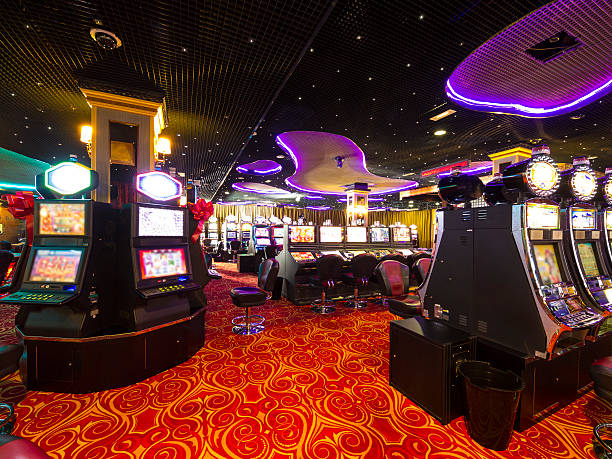
In many cases, players tend to overestimate their ability to control luck, particularly in games governed by chance. They may develop patterns or systems that they believe enhance their odds, but as statistics demonstrate, each game round remains independent of the last. Thus, while skill can lead to better outcomes in certain games, the undeniable influence of luck continues to play a pivotal role across the casino landscape. This balance between skill and luck is fundamental to understanding the overall gambling experience and the nature of games played in casinos.
The Psychological Aspect of Luck in Gambling
The psychological aspect of luck in gambling is fascinating, as it shapes players’ behaviors and choices. Many gamblers believe in luck as a tangible force, leading them to develop personal theories about when they are ‘lucky’ or ‘unlucky.’ This perception can create a significant impact on how they approach the game. For example, if a player wins on a specific machine or table, they may return to that same spot, believing it holds a special affinity for their luck. This phenomenon showcases the emotional connection players form with their gaming environments, often making decisions based on past experiences rather than objective outcomes.
Furthermore, the concept of “lucky charms” is prevalent within the gambling community. Some players carry tokens, wear specific clothing, or engage in rituals, believing these practices attract good luck. This connection between luck and personal belief can significantly enhance the enjoyment of the gaming experience but can also lead to problematic gambling behavior when players mistakenly attribute their losses to a lack of luck rather than unsound strategy or the house edge. The reliance on luck as a psychological anchor can be both a source of motivation and a potential pitfall for players.
Ultimately, the psychological intricacies surrounding luck in gambling create a complex interplay between hope, expectation, and reality. Gamblers often oscillate between euphoria and despair, fueled by the belief that a stroke of luck is around the corner. This emotional rollercoaster can contribute to the thrill of gambling, making it more than just a game of chance but a deeply personal journey intertwining hope and psychology. Understanding these dynamics is crucial for players who wish to navigate their gambling experiences with a balanced perspective.
The House Edge: A Factor of Luck
The concept of the house edge is critical when examining how luck influences outcomes in casinos. The house edge is the mathematical advantage that the casino holds in any given game, ensuring that, over time, the casino will always come out ahead. This principle illustrates that, while luck can occasionally result in a hefty payout for a player, the odds are ultimately stacked against them in the long run. Games are designed to give the house an advantage, meaning that luck is not the only consideration at play. Recognizing this reality is essential for any player who wishes to engage in gambling with a clear understanding of the risks involved.
For instance, in blackjack, even though a player’s skill can enhance their chances of winning, the house edge is still present through the rules of the game, such as the dealer’s advantage when dealing with ties. Understanding this concept can help players maintain a realistic mindset regarding their luck and potential outcomes. Recognizing that the casino consistently profits from the games can temper the expectations players have of their luck running hot. This awareness allows players to approach their gaming sessions with a more informed and strategic mindset.
Additionally, it’s important to consider the psychology behind the house edge. Many players might perceive a lucky win as a temporary anomaly that can encourage them to continue playing, forgetting that the house edge works persistently over time. This cognitive bias can lead to a false sense of confidence, propelling players to chase losses in hopes of regaining their fortunes. As a result, players should approach gambling with an awareness of the house edge and a clear understanding of how luck fits into the larger picture of casino gaming, promoting responsible gambling practices and a healthier relationship with chance.
Finding Balance: Luck and Responsible Gambling
While luck is an undeniable element of the gambling experience, finding a balance between luck and responsible gambling is vital. Players should recognize the role of luck in their gaming sessions without allowing it to cloud their judgment. This understanding can lead to healthier gambling habits, allowing players to enjoy the thrill without falling prey to adverse consequences. Setting limits on time and money spent can help keep the influence of luck in check. Establishing clear boundaries allows players to engage with the casino experience while minimizing the potential for negative outcomes.
Additionally, incorporating strategies to manage gambling can mitigate some of the negative effects often associated with relying solely on luck. Players can develop a clear understanding of the games they are participating in, which enhances their knowledge base and reduces the emotional rollercoaster that often accompanies heavy reliance on luck. A well-informed player is more likely to approach each game with a realistic mindset, minimizing the weight given to luck. This knowledge empowers players to make informed decisions rather than reacting impulsively based on luck-driven emotions.
Ultimately, responsible gambling also means knowing when to walk away. This skill is part of maintaining a healthy relationship with chance. Even during a lucky streak, self-awareness can help prevent overextending oneself, allowing players to enjoy wins without succumbing to the temptation of chasing losses. By prioritizing a balanced perspective on luck and gambling, players can enhance their overall experience and foster a more sustainable approach to their casino visits. Embracing the thrill while respecting the unpredictable nature of luck can lead to a more fulfilling and enjoyable gambling journey.