The Allure of Risk and Reward
The psychology of gambling is intricately tied to the allure of risk and reward, a dynamic that casinos exploit masterfully. For many participants, the thrill of placing a bet mirrors the exhilaration experienced in high-adrenaline activities like skydiving or rock climbing. This comparison highlights the emotional depth involved in gambling; individuals are often drawn to the prospect of a substantial payout, even when the odds of losing remain significant. Players seeking quick wins might be intrigued by the fast withdrawal casino canada options available, which can enhance the overall experience and influence their decision-making.
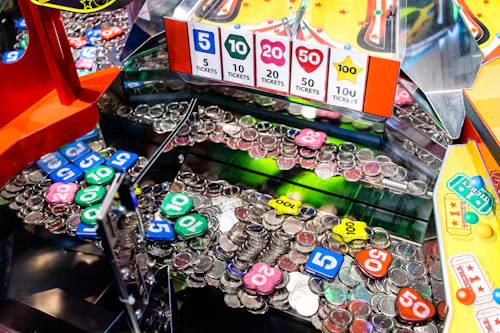
Dopamine, a neurotransmitter primarily associated with pleasure and reward, plays a pivotal role in the gambling experience. When a player wins, their brain releases dopamine, creating feelings of euphoria that reinforce the behavior. This chemical reaction can lead to compulsive gambling, as individuals may pursue losses in hopes of recapturing that euphoric high. Casinos are acutely aware of this phenomenon and often design their environments to be immersive, stimulating the senses to ensure the thrill of winning remains ever-present and enticing. The cycle of excitement and disappointment can keep players returning, hoping for that next big win.
Furthermore, the casino environment is meticulously engineered to amplify the psychological effects of gambling. The sounds of ringing slot machines, vibrant colors, and upbeat music are not mere coincidences; they are carefully selected elements aimed at keeping players engaged. This sensory overload can lead to disorientation and a warped sense of time, causing individuals to lose track of how long they have been gambling. As players become enveloped in this atmosphere, psychological triggers work together, making it increasingly challenging to resist the compulsion to play, often leading to addiction-like behaviors and a dangerous cycle of reinforcement.
The Role of Cognitive Biases
Cognitive biases are significant influencers of gambling behavior, often leading individuals to make irrational decisions. One common bias is the illusion of control, where players believe they can influence the outcome of games through their strategies or superstitions. This belief fosters what is known as the gambler’s fallacy, where players assume that past outcomes will affect future results. For instance, a player may continue to bet on red in roulette after a long streak of black, convinced that a win is ‘overdue.’ Such cognitive distortions illustrate how biases can cloud judgment and lead to detrimental gambling decisions, often resulting in significant financial losses.
Another prevalent cognitive bias is confirmation bias, which manifests when players selectively remember their wins while overlooking their losses. This skewed perception reinforces the notion that gambling is a lucrative venture, encouraging continued participation. Over time, these biases contribute to a distorted view of reality, entrenching individuals further in the gambling cycle. They may rationalize their losses as mere bad luck while simultaneously celebrating their occasional wins, creating an unsustainable pattern of behavior that can culminate in financial distress and emotional turmoil.
Addressing these cognitive biases is an essential step toward promoting responsible gambling practices. By educating players about the psychological factors influencing their decisions, casinos can encourage healthier gambling habits. Many establishments are beginning to implement awareness programs designed to help gamblers recognize and mitigate their biases. By fostering a more informed gambling environment, the ultimate goal is to reduce compulsive behaviors and promote a sense of responsibility among players, thereby enhancing their overall gaming experience and reducing the likelihood of addiction.
The Impact of Social Influences
Social dynamics significantly shape gambling behavior, with peer influence often acting as a catalyst for individuals to visit casinos. The collective excitement in these environments can amplify the thrill of risk-taking, creating a shared experience that fosters a sense of belonging. This social aspect can normalize gambling, making it appear as an acceptable leisure activity, even when it leads to negative consequences. As individuals bond over their shared enthusiasm for gambling, the social validation can further encourage participation, often overshadowing the potential risks associated with excessive gambling.
Family dynamics also play a critical role in forming attitudes toward gambling. In certain cultures, gambling is regarded as a traditional activity, passed down through generations. This normalization can lead to increased participation, particularly among younger individuals who may emulate family members who gamble. Conversely, families that discourage gambling often cultivate a sense of caution and responsibility, potentially mitigating the risk of developing problematic habits. The impact of familial attitudes on gambling behavior can be profound, influencing decisions made by individuals throughout their lives and shaping their future relationship with gambling.
The advent of technology has further transformed the social influences surrounding gambling. With the rise of online casinos and social gaming platforms, individuals can engage in gambling activities from the comfort of their homes or in social gatherings online. These platforms often foster a sense of community through forums or live-streamed games, amplifying social pressures to participate. As a result, the social dynamics associated with gambling have evolved, but they remain a crucial aspect of its psychological impact on individuals, creating new challenges and considerations for responsible gambling practices.
Emotional Responses and Gambling Behavior
The emotional landscape of gambling is complex, often serving as a coping mechanism for many individuals. For numerous players, gambling provides an escape from the stresses of daily life, allowing them to immerse themselves in a thrilling experience that temporarily alleviates their worries. This emotional reprieve can lead to increased gambling frequency, as players seek to replicate the initial relief and excitement they felt during their first experiences. However, this reliance on gambling can become problematic, as it may evolve into a habitual escape from deeper emotional issues that require more effective resolution.
This emotional dependency can create a precarious situation. While gambling may offer short-term relief from anxiety or depression, it can exacerbate existing issues over time. Individuals may find themselves in a vicious cycle, continuously chasing losses in an attempt to regain control over their emotions. The pursuit of emotional stability through gambling can spiral into addiction, leading to further emotional turmoil and financial hardship. This cycle can be particularly challenging to break, as it intertwines emotional well-being with gambling behavior, making it difficult for individuals to disengage from this harmful pattern.
Understanding the emotional triggers that lead individuals to gamble is critical for developing effective interventions. Mental health professionals can work with gamblers to identify healthier coping strategies, such as mindfulness practices or stress management techniques. By shifting the focus away from gambling as a primary source of emotional relief, individuals can learn to navigate their emotional landscapes more effectively. This approach promotes healthier behaviors and mental well-being, ultimately reducing the risk of developing compulsive gambling patterns and fostering resilience in the face of life’s challenges.
Promoting Responsible Gambling Practices
As the psychological aspects of gambling become more understood, promoting responsible gambling practices has emerged as a priority for both casinos and regulatory bodies. Comprehensive education and awareness initiatives are essential to equip players with the tools necessary to make informed decisions about their gambling habits. Many casinos now offer resources such as self-exclusion programs and limit-setting tools, empowering individuals to maintain control over their gambling activities and prevent potential overindulgence. These initiatives are crucial in creating a safe environment for players.
In addition to providing resources, integrating responsible gambling messages into casino marketing can further reinforce positive behaviors. By framing gambling as a leisure activity rather than a primary source of income, operators can shift the narrative toward moderation and enjoyment. This approach encourages players to view gambling as a form of entertainment while remaining cognizant of the potential risks involved. Such a shift in perspective can foster a healthier relationship with gambling and reduce the incidence of problematic behavior, allowing individuals to enjoy their experiences without negative consequences.
Ultimately, fostering a culture of responsible gambling necessitates collaboration among casinos, mental health professionals, and regulatory agencies. By working together, these entities can create a supportive environment that prioritizes player safety and well-being. Through ongoing education and awareness campaigns, the gambling industry can address the psychological factors that contribute to harmful gambling behaviors. This collective effort can help ensure that gambling remains an enjoyable pastime rather than a source of distress, paving the way for healthier engagement with gaming activities.